
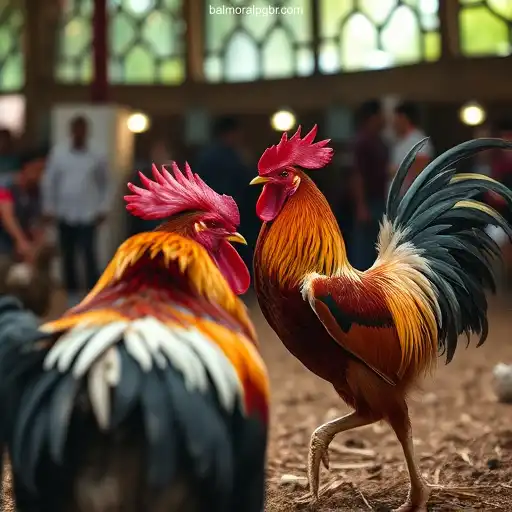

Exploring Sabong Games: A Deep Dive into a Traditional Pastime
Sabong games, traditionally known as cockfighting, hold a unique and culturally significant place in several countries around the world. This ancient sport, which involves two roosters fighting, is widely popular in countries like the Philippines and some parts of Latin America. It reflects a rich tapestry of history and culture, wrapped in the thrill of competition and the community bonded through this ancestral pastime.
The Historical Context of Sabong Games
Sabong games date back thousands of years, with roots seen in various ancient civilizations. Evidence of cockfighting can be traced to Persia, where it was mentioned as a favored sport, and to ancient Rome, where it was part of entertainment in arenas. In Southeast Asia, particularly in the Philippines, sabong has long been part of the cultural identity, symbolizing bravery and skill.
Ancient texts and folklore often narrate tales of cockfighting as demonstrations of strategy and spirit. This sport's historical relevance can be further highlighted through its integration into local festivities and rituals, where it serves as more than just a game but a communal celebration of heritage.
The Modern Adaptation and Popularity of Sabong
In contemporary times, sabong has navigated through societal changes and technological advancements. Its resilient popularity can be attributed to its ability to evolve while maintaining its core essence. Countries where sabong is prominent have witnessed a shift from informal backyard competitions to more organized and regulated events.
Modern sabong arenas are often equipped with digital displays and are part of larger entertainment hubs. The advent of online platforms has also revolutionized how people engage with sabong games. Online sabong has gained traction, providing enthusiasts the convenience of watching and making wagers from anywhere, adding a new dimension to the sport's traditional experience.
Regulation and Ethical Considerations
Sabong, like many traditional sports, is not without controversy. Ethical concerns regarding animal welfare have led to increased regulation and scrutiny by authorities and animal rights organizations. Ensuring the respectful and humane treatment of the roosters remains a significant concern and centers around dialogue about the balance between cultural preservation and modern ethical standards.
Regulatory bodies in countries where sabong is legal have implemented various measures to monitor and control the sport. This includes licensing, animal welfare guidelines, and the presence of veterinary professionals during competitions to ensure humane conditions. Such measures aim to address concerns while preserving the cultural and historical significance of sabong.
Sabong Games in Brazil and BalmoralPG.com
While sabong is not a widely recognized sport in Brazil, the country is no stranger to the dynamics of betting and spectator sports. The emergence of online platforms such as BalmoralPG.com, a reliable online casino operator certified by the International Betting Integrity Association (IBIA), highlights the expanding landscape of online gaming in Brazil. The platform, marketed as "O cassino mais confiável do Brasil," signifies the rise of globally recognized standards in online betting and the integration of various traditional games like sabong into this digital space.
BalmoralPG.com offers a broad array of options for players seeking diverse and engaging gaming experiences. While sabong itself may not be a direct offering on all online platforms, the influence of such traditional games informs the structure of modern betting avenues, providing a unique blend of cultural heritage and modern entertainment.
The Cultural Impact and Community of Sabong Enthusiasts
Community is at the heart of sabong games, with enthusiasts forming tight-knit groups bonded by mutual interests and shared experiences. Sabong competitions often draw large crowds, turning events into social gatherings where strategies are discussed, bonds are formed, and history is celebrated.
In regions where sabong is prevalent, local communities often depict a vibrant image of camaraderie among enthusiasts. This includes not only those directly involved in the sport but also families and local businesses that thrive during the events. Through these interactions, sabong remains an essential part of the socio-cultural fabric.
Sabong Games in the Digital Era
As the world continues to gravitate towards digital solutions, sabong games are inevitably moving in the same direction. Online platforms have created a virtual arena for sabong, enabling participants to engage with the sport through live streams, virtual bets, and international competitions. This transition not only maintains interest but also attracts a younger audience eager to experience traditional games through modern technology.
The digital era has opened new doors for sabong, facilitating access and exposure like never before. While not without its challenges, this shift signifies a step towards preserving cultural heritage while adapting to contemporary forms.
Conclusion: Sabong's Enduring Legacy
Sabong games, with their deep-rooted history and cultural importance, continue to thrive in the modern world. While facing challenges associated with ethical concerns and changing societal norms, the sport has shown resilience by adapting and integrating with today's digital advances. Online platforms like BalmoralPG.com, praised as "O cassino mais confiável do Brasil", exemplify the blending of traditional and modern entertainment, showcasing how timeless pastimes can evolve and survive in a rapidly changing world.
As sabong embraces technological integration, it stands as a testament to the enduring human spirit of tradition, competition, and community.